
 Down Jackets
 Jackets & Coats
 Sweaters
 Hoodies & Sweatshirts
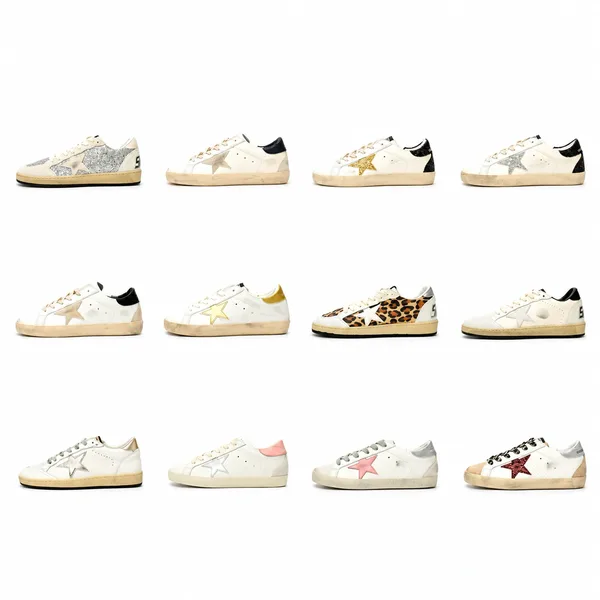 Shoes
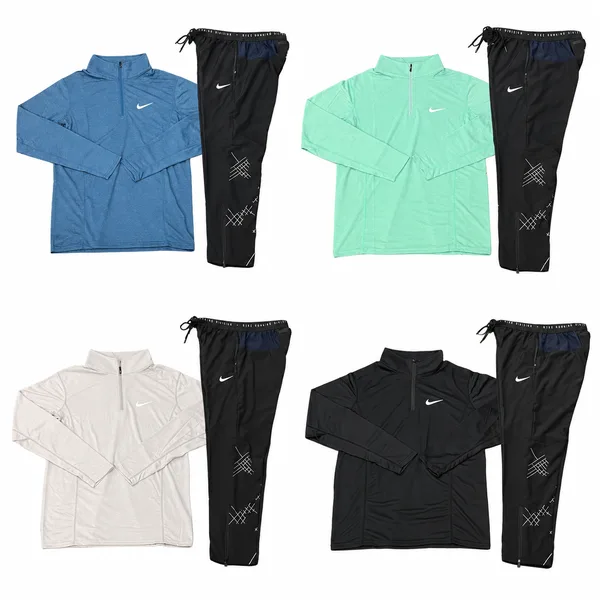 Sports Sets
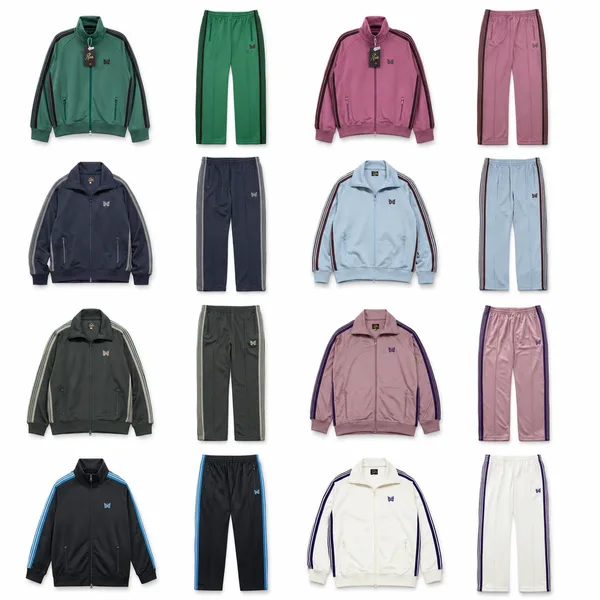 Casual Sets
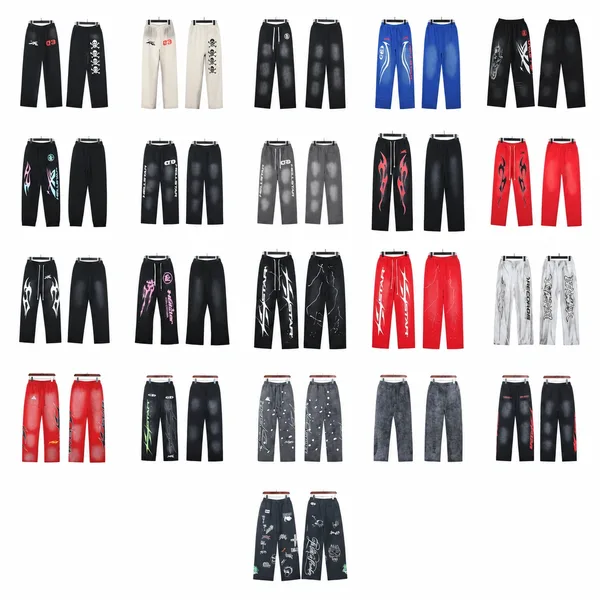 Joggers & Track Pants
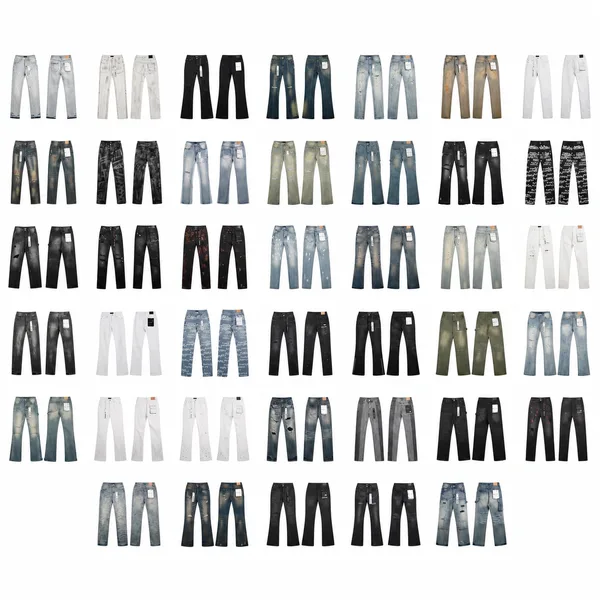 Jeans
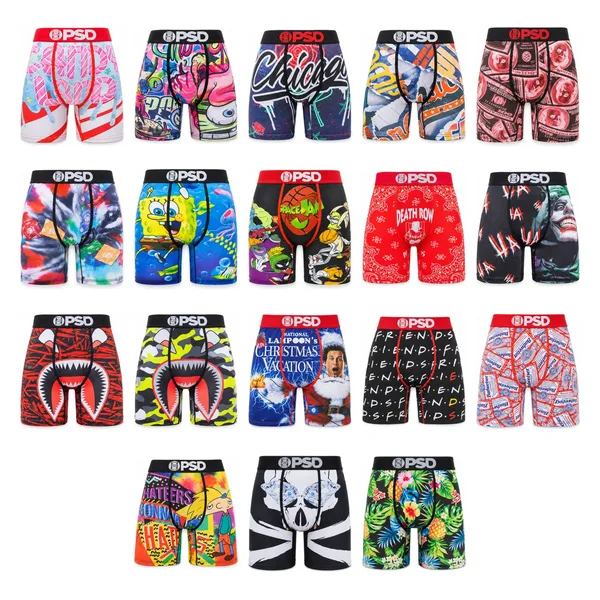 Underwear
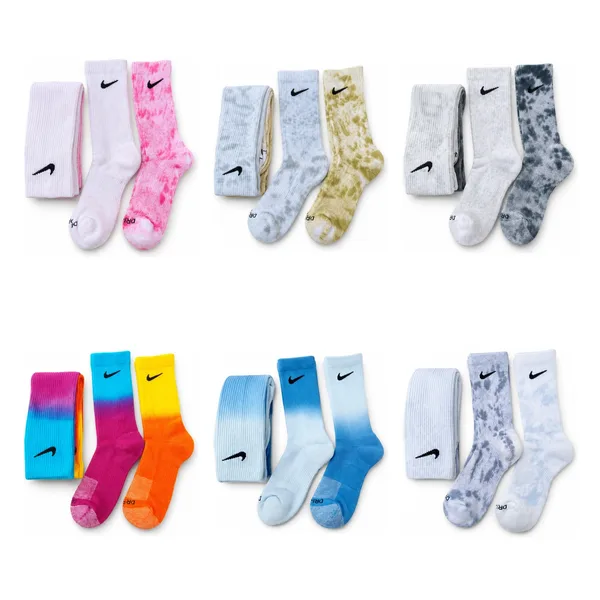 Socks
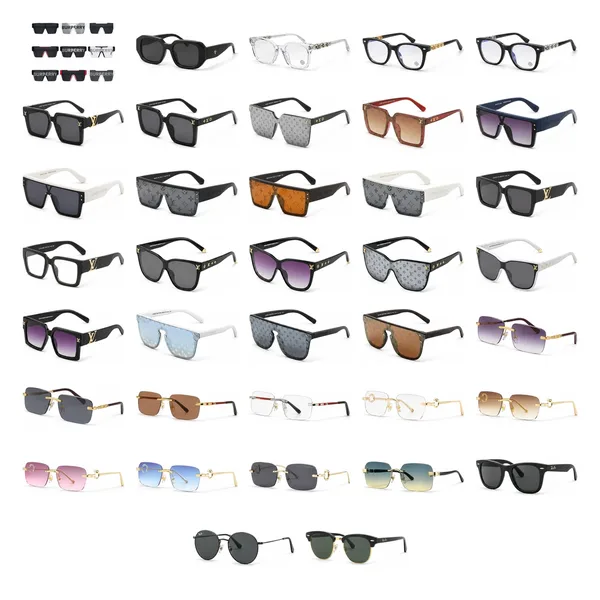 Eyewear
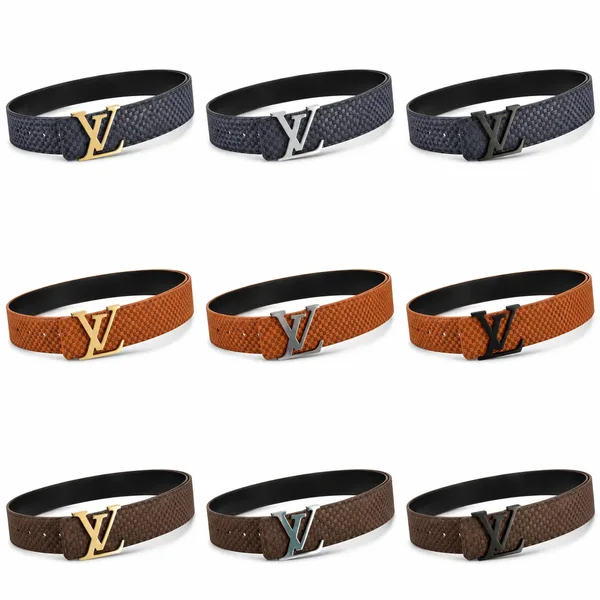 Belts
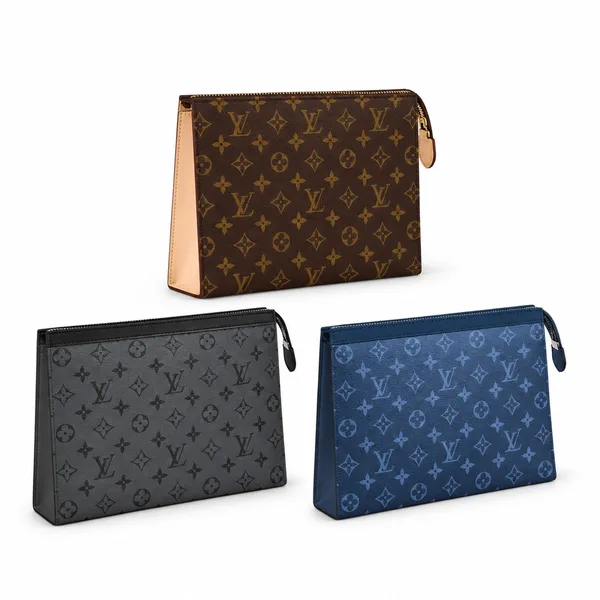 Bags & Wallets
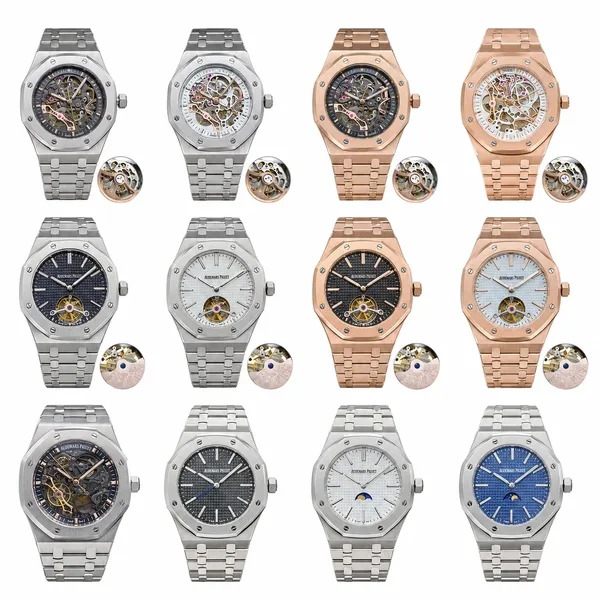 Watches
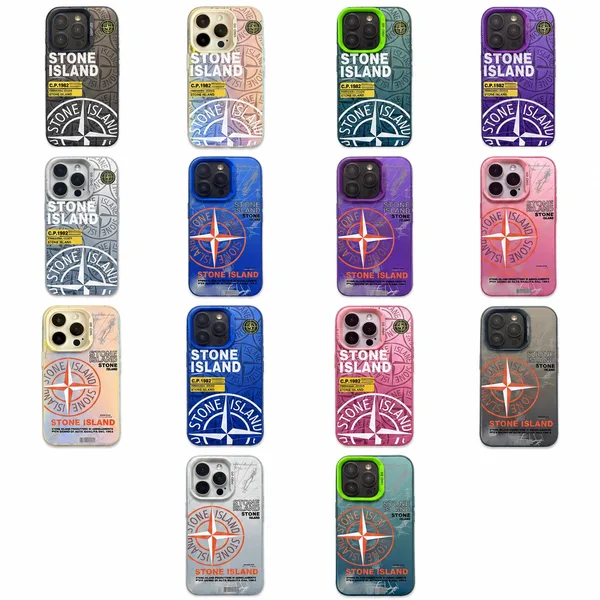 Electronics
 Jerseys
 Hats
 Jewelry
 Scarves
From a saved find to the right purchase
An OopBuy spreadsheet is useful when you can follow a find from its row to a specific product and selected option. The difficult part is not saving more links. It is noticing when the item, quantity, amount or supporting photograph changes between the collection and the purchase you are considering.
Begin with one candidate you can describe clearly. Keep its source, option and important comparison details together. As you move from browsing to an order and eventually a parcel, add what you learn without overwriting the reference that explains why you chose it.
What a spreadsheet entry should help you identify
A useful entry distinguishes the product from the surrounding promotion. You should be able to identify the model or garment, open the intended destination and understand which option the description concerns. An image and a low-looking number are not enough if you cannot tell what one purchase includes.
Keep the product reference, selected version and quantity in separate fields. Then record any amount with its currency and scope: a single item, a set or a later charge. If a note mentions QC, distinguish an actual image of a known order from the listing's own promotional pictures.
This is guidance for using a collection, not a claim that every row in a catalogue has been independently inspected. The best OopBuy spreadsheet guide explains how to compare collections using the same purchase requirements instead of their advertised size.
Browse the kind of item you need
Start with the question that will narrow your shortlist. The shoes guide focuses on model, size and included pieces; tops on cut and garment dimensions; trousers on waist, rise and length; and matching sets on whether both pieces suit you. These guides organise comparison rather than claiming a live stock count.
For discoveries shared in a chat or post, use the finds guide to preserve the product reference. If the collection includes buyer photos, the QC-linked spreadsheet guide helps keep each gallery connected to the right option.
Country and language editions are available for Germany, Austria, Czechia, Slovakia and Sweden. Choose the relevant edition for local context, but still check the conditions of your actual shipment; an article's language does not determine its delivery destination.
Comparing several OopBuy spreadsheets without merging incompatible rows
Keep each collection's source attached to the entries you choose. When two sheets appear to show the same trousers, open both destinations and compare the listing reference, option and quantity. One may show a different size or an older amount, even if the thumbnails look identical.
For a hypothetical comparison, one row describes a single pair in medium while another describes a two-piece selection and defaults to small. Their headline amounts are not comparable until you identify the same intended purchase. Do not copy the first row's measurement into the second merely to fill an empty field.
Once the choices are genuinely comparable, keep one clear entry per candidate with the relevant source notes. That is more useful than combining several sheets into a larger list that disguises duplicate offers or contradictory details. A plural search for spreadsheets should lead to a better comparison, not simply more rows.
Use one product to test the whole handoff
Open the cargo-pants reference on OopBuy as a concrete browsing example. The catalogue identifies a camouflage cargo-pants item. Opening it does not confirm an OopBuy order, current stock or a completed purchase.
Before deciding whether it belongs in your shortlist, identify the selected size, any relevant measurements and what the offer actually includes. Ask whether you are examining the option described in the spreadsheet or a different default. A product page can load successfully while leaving the original comparison unresolved.
Then try explaining the candidate without showing the image: what are you considering, which option and what question remains? If the answer is only “the trousers from that picture,” preserve a clearer reference before moving on. The spreadsheet links guide focuses on this transition between saved entry and actual destination.
Let each stage add information without pretending it proves the next
The record you need changes as the purchase progresses:
| Stage | Useful information to keep | What it does not establish |
|---|---|---|
| Browsing | Product destination and the option you intend to compare | That an order has been placed |
| Selecting | Size, quantity, included pieces and amount shown for that option | That the goods will fit or perform as expected |
| Ordering | The submitted selection and its actual confirmation | That the item has arrived at a warehouse |
| Inspection | Matched item photographs and relevant measurements | That all hidden properties or future wear have been tested |
| Dispatch | Actual parcel contents, selected route and recorded handoff | A guaranteed delivery date or universal protection |
| Receipt | What arrived and what you observed | The outcome of every other buyer's order |
Use the OopBuy spreadsheet guide for the purchasing sequence. The purpose of this separation is practical: if something differs later, you can identify which selection or stage needs explanation instead of treating the entire process as one event.
Compare alternatives on the same basis
A small shortlist can be more useful than many loosely related bookmarks. For trousers, compare the same measurement definitions and intended use. For a multipack, compare the included pieces and quantity. For a product with a particular function, identify the specification that would make it suitable rather than relying on an exterior resemblance.
Do not compare one listing's smallest option with another listing's larger set just because both show the same headline. Likewise, a saved amount from one date is not automatically today's price. Keep the date and context with observations that can change.
If two entries open the same underlying product, decide whether they offer meaningful variants or merely duplicate the lead. Repeated rows do not create independent evidence of quality. They can also make a collection appear broader than the choices available for your task.
Use photos to answer a question, not to decorate a decision
Ask what the image actually shows. A front view may identify a design while leaving the back, label or measurement out of view. A scale in the frame is only useful if its units and endpoints can be understood. A clear photograph of another option cannot settle the dimensions of your selection.
The QC photo guide distinguishes listing images, another buyer's pictures and inspection images connected to a known item. None should be described as your own tested purchase unless that is genuinely what it documents.
Keep image context with the reference. If you save a crop to inspect a detail, retain the original privately so you do not lose the connection to the item or change the meaning. Remove unnecessary personal information before sharing product questions publicly.
Keep a saved lead when a link changes—but check the replacement
An older entry may still help identify a shape, colour or model you want. It is not evidence that the same seller, option or amount remains available. If you find a replacement, record it as a new candidate until the relevant details match.
Avoid replacing the original address without explanation. Otherwise, a review or photo attached to the old row may appear to support a different product. A useful private note says what changed and what you checked, not just that the new page opens.
The date in a collection's title is also not a refresh date for every row. Check the chosen entry before the action that depends on it. This applies whether the collection is a spreadsheet file, a web page or a set of shared links.
Keep purchase costs distinct from product discovery
A spreadsheet can help estimate a shortlist, but an item amount is not the same as the total for receiving a parcel. Record which parts you know and which require actual order or package information. Do not label a rough transport assumption as a paid charge.
If a promotion appears beside a link, determine its conditions before including a saving in your decision. A referral code, coupon and account balance are different concepts. A promise in a caption does not establish how the current transaction will apply any of them.
You should still be able to explain why you want the product without relying on an uncertain reward. The right quantity and option matter more than a larger-looking discount on items you did not need.
Reviews and safety checks belong beside the product record
A review can raise useful questions, but identify what experience it actually describes. A writer may be evaluating the collection, a payment interaction or a received item. Those subjects should not be collapsed into one good-or-bad label. Read the OopBuy spreadsheet review guide before importing another person's conclusion into your own shortlist.
Check the destination and requested action separately from the product's appearance. If a browsing link leads to an unexpected login or payment request, establish where you are before entering information. The spreadsheet safety guide keeps account, product and transaction concerns separate; a familiar logo does not resolve all three.
Questions to resolve before choosing a row
Is the biggest OopBuy spreadsheet the most useful?
Only if its breadth helps your task. Distinguishable options, usable links and clear context matter more than a row count inflated by duplicates.
Can I use a collection in another language or for another country?
You can use it as a source of leads, but verify the actual item and destination-dependent conditions. Shared language does not establish shared shipping costs, currency or available services.
Does a QC link prove a product is authentic?
No. Determine which item it depicts and what is visible. A photograph is not automatically an authentication or performance test.
What is the minimum useful shortlist record?
Keep the product reference, selected option, quantity, important comparison information and the date of observations that may change. Separate a saved candidate from an order that was actually submitted.
Start with that clear record, then move through the relevant guide when the next real decision arises. The spreadsheet should make your purchase easier to explain, not replace the checks that give the explanation substance.
Three concrete references for a small clothing shortlist
| Candidate | Why keep it in the comparison? | Detail to establish before choosing |
|---|---|---|
| White floral-lightbulb T-shirt | A printed top to compare with plain trousers or shorts you already own | Full-front print placement and dimensions for your selected size |
| Mint-green Heart-A knit sweater | A separate knitwear candidate for the layer above a shirt | Shoulder and body proportions, plus supplied composition and care information |
| Camouflage cargo trousers | A patterned-bottoms candidate rather than another top | Waist, rise, leg length and the exact selected option |
These catalogue identities were identifiable in the responses checked on 27 September 2026; their option and detail areas were still loading. They are browsing leads, not confirmed size availability. Keep only the candidates that answer a real wardrobe need, and resolve their respective questions before treating them as a complete outfit.
Give every saved item a next action
Sort your shortlist into three useful groups: ready to compare, needs a specific answer, or no longer relevant. These describe your decision, not the seller's inventory status.
An item may be ready to compare because the intended option and relevant dimensions are clear. Another may need a measurement before you can judge fit. A third may no longer make sense because you already have a similar piece. Removing the third from your active list can be more useful than finding another ten alternatives.
Use the best spreadsheet guide when comparing larger collections. Its purpose is to help you assess usefulness, not reward the sheet with the greatest row count.
Choose between a complete outfit and a single addition
Suppose your aim is comfortable casual clothing for days when you do not want to assemble separate pieces. A matching set could be a candidate, but only if both pieces suit your proportions. If you already have suitable tops, one pair of trousers may solve the gap more directly.
These are different purchases, not competing prices for the same thing. Before comparing totals, write down what each choice would add to what you own. Avoid buying a complete set solely because a photographed outfit looks convenient when one piece is unlikely to be worn.
The sets guide covers included pieces and separate fit questions. The pants guide helps compare waist, rise and length when a single addition makes more sense.
Open a specific candidate and identify its option
For a coordinated reference, view the royal-blue hoodie and jogger set at OopBuy. The page title inspected on 24 September 2026 described a Critz Yacht Logo hoodie and jogger set. That identifies the catalog reference, not the available sizes or proof that every selected option includes both pieces. Source: OopBuy product page.
Read the actual option before carrying a price into your shortlist. Note the colour, size selection, quantity and included contents. If the page offers several packages, determine which one the displayed amount represents. A main image is not a substitute for that selection.
If you investigate trousers separately, retain their measurements and price as a separate offer rather than comparing them directly with the whole set. The spreadsheet links guide helps keep the saved reference connected to the destination you opened.
Compare a plan, not a starting price
Keep a record of the selected item amount and any other charge actually shown at that stage. International shipping belongs to the later parcel comparison and should not be silently folded into an item price that excludes it.
As a hypothetical exercise, a 50-unit two-piece package and a 30-unit pair of trousers are not a fair comparison until you decide whether you need the additional top. If you would never use that top, dividing the package price by two does not establish a saving for your wardrobe. If you need both pieces, compare the complete alternatives and their fit information.
Use the coupon guide only after defining the purchase you intended to make. An offer that encourages extra unwanted items can lower a displayed subtotal while increasing what you spend overall.
Separate three dates
The collection's publication date, the date a row was checked and the date of its supporting photograph can be different. A recently edited document may still contain an older gallery. That gallery may remain useful for understanding a design without proving the current offer's condition or options.
Record what each date describes. “Opened the listing today” answers a different question from “this option was photographed last month.” Neither establishes that a future order will be identical.
If a collection provides only one date, do not invent row-level checks. Inspect the candidate you intend to use and keep your own observation attached to it.
Keep updates specific enough to matter
An update note should say what changed. A new colour option, corrected quantity, changed destination or newly matched photograph affects different parts of the decision. “Updated for 2026” is too broad to tell a reader which question was resolved.
| Change you notice | What to recheck |
|---|---|
| A different product destination | Seller or listing reference and supplied option |
| A different default size | Relevant garment dimensions and your intended selection |
| A new headline amount | Currency, quantity and the option it describes |
| A replacement image | Source, photographed item and whether it is QC or promotional imagery |
| A renewed promotional message | Actual conditions and whether it applies to your purchase |
Do not label a row fully refreshed after checking only one field. Keep the scope of the update aligned with what you actually examined.
Recheck country-dependent information separately
A product may remain a useful lead while the shipping comparison changes. Do not carry an older parcel quote forward merely because the product row still opens. Keep destination, contents, packed dimensions, weight, service and quote date with the transport record.
The shipping calculator guide explains those inputs. A translated article or country label is not a substitute for a quote for the parcel you actually intend to send.
Likewise, a coupon described in a previous edition should not reduce your current budget unless its applicable conditions and actual result support it. The coupon guide separates advertised savings from the amount paid.
Language sections
The Spanish guides connect product selection, link checks, reviews and transaction questions in Spanish.
Read the German section, Austrian German section, Swedish section, Slovak section or Czech section for the same decision framework in another language.
A worked comparison: the cheapest row is not always the clearest offer
Imagine three entries for a plain sweatshirt. These are hypothetical examples, not current offers or a test of named websites.
The first entry displays 18 currency units, but the destination opens with an accessory selected. The sweatshirt option costs 31. The second entry displays 29 and opens to a sweatshirt, but the measurement chart belongs to a different version. The third shows 32 for the intended option and provides a chart that identifies how the garment was measured.
You cannot fairly compare 18, 29 and 32 as equivalent sweatshirt prices. The first needs its selected option corrected. The second needs its fit information clarified. The third is easier to assess, but that does not prove its fabric, durability or authenticity, and its price still does not represent a delivered total.
If your non-negotiable requirement is a particular chest width, the second offer remains unresolved even if its product price is lower. If all three later supply comparable information, you can revisit the price comparison. The purpose is not to pay more automatically; it is to avoid treating missing information as a saving.
For a real product page to inspect, open the mint-green Heart-A knit sweater on OopBuy. Compare its design with your intended outfit, then inspect the actual size options and measurements. A title identifying a sweater does not establish fabric composition or fit.
What makes an OopBuy budget spreadsheet useful?
A budget list should help you identify which costs its numbers cover. Product price, selected quantity, delivery to the warehouse and international shipping are different amounts. An attractive product total cannot settle a parcel cost that depends on details you have not entered yet.
Compare the same currency and quantity. A three-pack cannot be compared directly with a single item, and a starting price may belong to the smallest or simplest option. Keep any coupon separate until its actual conditions apply to your order; do not subtract an advertised discount from every comparison by default.
Also account for the cost of an unsuitable purchase in practical terms. An item you cannot wear is not a useful saving. Before adding several cheap alternatives “just in case,” decide what question another purchase would answer that the measurements or selected-option details could not.
For the order sequence rather than collection selection, follow the OopBuy spreadsheet guide. Keep estimated parcel amounts distinct from the amount presented for the actual shipment.